

Hear from Our Customers
You’re dealing with a musty smell in the basement. Or maybe you’ve had water damage and you’re wondering what’s happening behind the walls. Maybe someone in your house has been coughing more than usual and you can’t figure out why.
Here’s what you need to know: you can’t fix a mold problem until you know what you’re dealing with. Visual inspection only goes so far. The mold that makes people sick is often the mold you can’t see—in HVAC ducts, behind wallpaper, underneath baseboards, inside wall cavities.
Professional mold testing gives you documentation from an EPA-certified lab that identifies the type and level of mold in your home. That report tells you whether you’re looking at a minor issue or something that needs immediate attention. It also gives you leverage if you’re buying or selling a property, filing an insurance claim, or just trying to protect your family’s health.
We’ve been testing air quality and inspecting for mold in Bucks County for more than two decades. We know the housing stock here—colonial-era homes with stone foundations, mid-century builds with basement moisture issues, newer construction that wasn’t sealed properly.
We also know Pennsylvania’s climate. High humidity in summer, condensation problems in winter, and enough rainfall to keep basements damp year-round. That’s why so many New Galena properties deal with recurring mold issues.
We’re certified indoor environmentalists who use EPA-approved testing methods and send samples to accredited labs. We don’t do remediation and testing under the same roof—because that’s a conflict of interest. Our job is to give you accurate information, not upsell you on services you may not need.
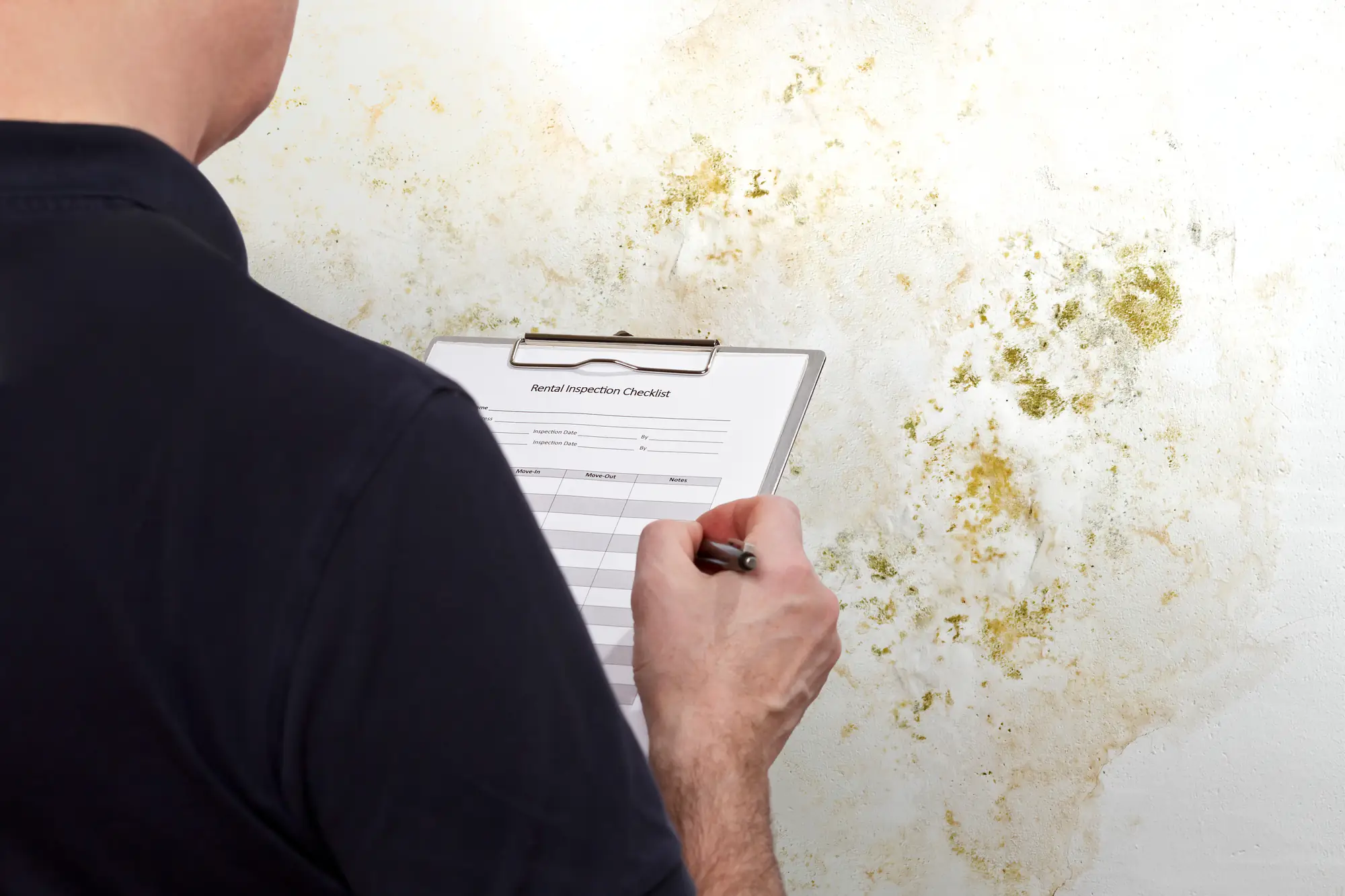
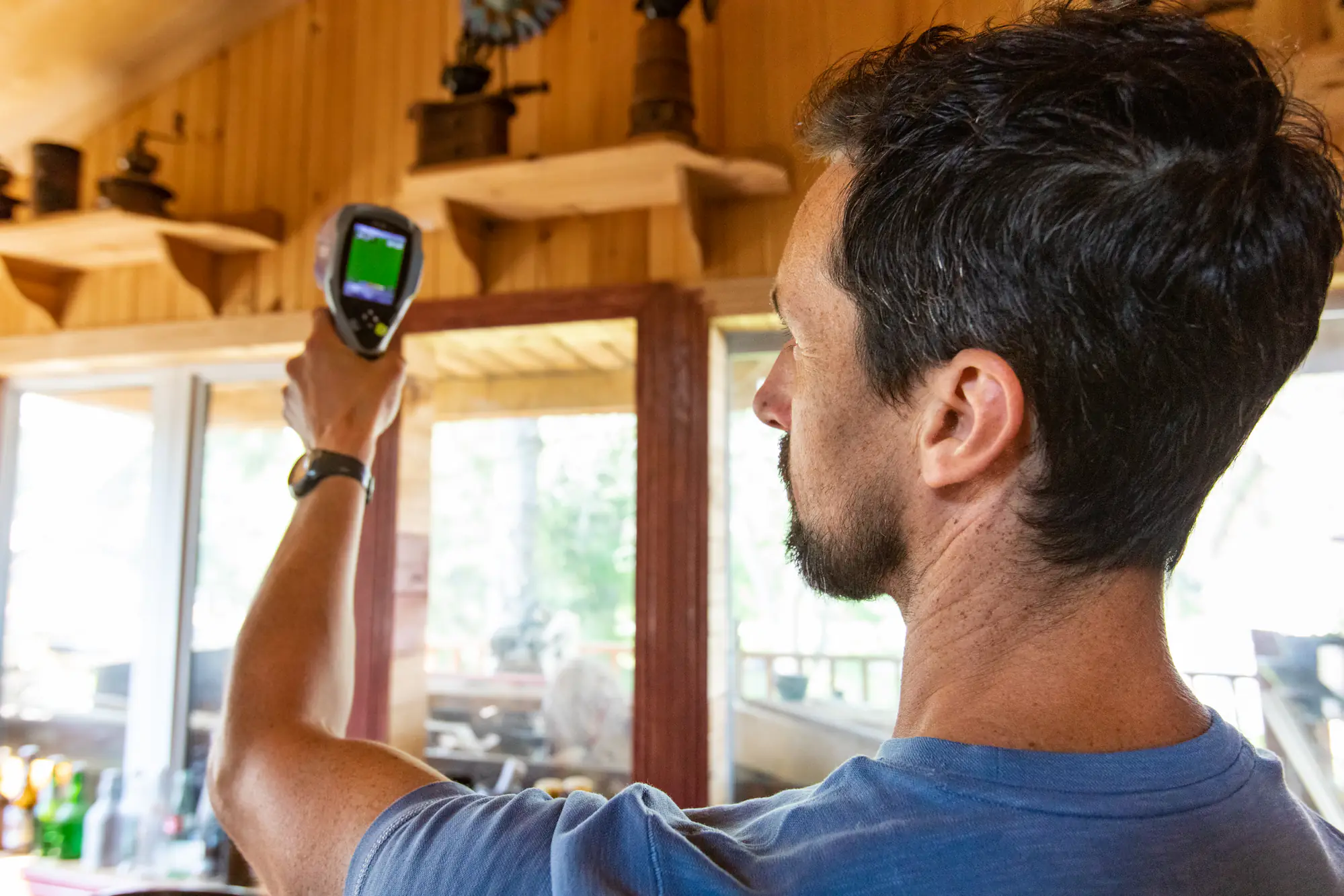
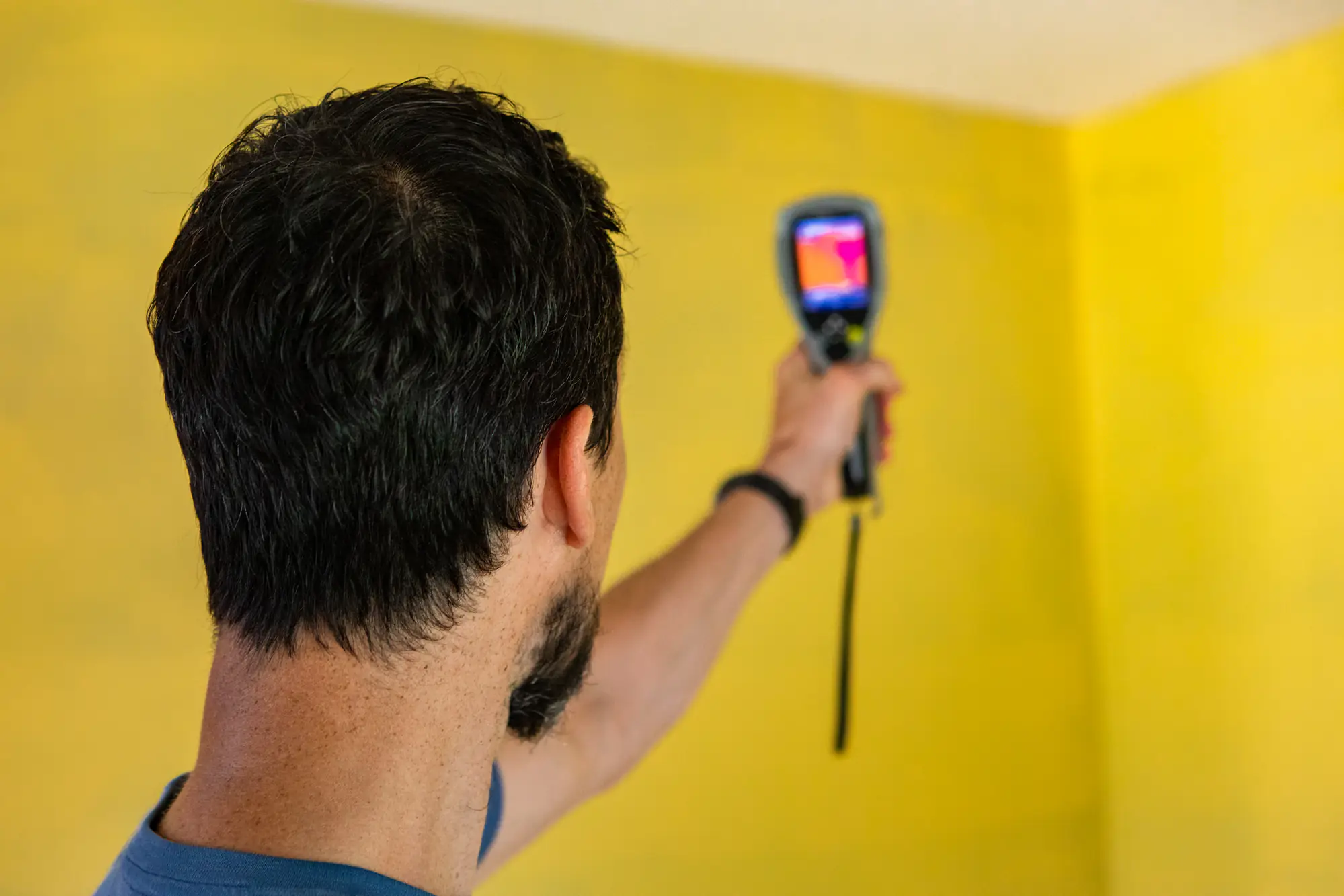
First, we walk through your property and talk about what you’ve noticed—smells, visible growth, water damage, health symptoms. We use infrared thermal imaging cameras and moisture meters to find areas where water is present or has been recently. These tools show us temperature differences and moisture levels that indicate potential mold growth.
Next, we collect samples. Air sampling captures mold spores that are circulating through your home. Surface sampling tests visible growth or suspicious areas. If needed, we take bulk samples from materials like drywall or insulation. Each sample gets sent to an EPA-certified lab for analysis.
Within a few days, you get a detailed report that identifies the types of mold present, the concentration levels, and where the growth is located. We walk you through the findings and explain what they mean for your property. If remediation is needed, we’ll tell you what to look for in a qualified contractor—but we won’t be the ones doing that work.
Ready to get started?
You get a thorough visual inspection of your property, including areas most homeowners don’t check—crawl spaces, attics, behind appliances, inside HVAC systems. We’re looking for active growth, water stains, condensation, and conditions that support mold colonization.
We use multiple detection methods because different situations require different approaches. Air sampling is critical if you’re experiencing symptoms but don’t see visible mold. Surface testing confirms whether that discoloration on your bathroom ceiling is actually mold or just mineral deposits. Bulk sampling tells us if mold has penetrated building materials.
New Galena’s housing stock makes this especially important. Many homes here have basements with poor ventilation and high humidity—two conditions that create perfect environments for mold. Add in the fact that it only takes 24 to 48 hours for mold to start growing after water damage, and you can see why early detection matters. The lab analysis follows methods recommended by the American Industrial Hygiene Association, so the results hold up for insurance claims and real estate transactions.
Most residential mold testing in Bucks County runs between $300 and $600, depending on the size of your property and how many samples we need to collect. A small condo with one area of concern costs less than a 3,000-square-foot home with multiple levels and a finished basement.
The cost includes the on-site inspection, sample collection, lab analysis from an EPA-certified facility, and a detailed report of findings. Some companies charge separately for each air sample or surface test, which can add up quickly if you need comprehensive testing.
If you’re buying or selling a home, the cost of testing is minimal compared to what you’d spend on remediation if a problem goes undetected. Same goes for health issues—respiratory problems and allergy symptoms from mold exposure often lead to medical bills that far exceed the cost of a professional mold check.
A mold inspection is a visual assessment where we walk through your property looking for visible growth, water damage, and conditions that support mold. We use moisture meters and thermal imaging to identify problem areas. An inspection tells you where mold is likely growing and what’s causing it.
Mold testing goes further. We collect air samples, surface samples, or bulk samples and send them to a lab for analysis. The lab identifies the specific types of mold present and measures the concentration levels. Testing is the only way to know what kind of mold you’re dealing with—whether it’s a common species or something more concerning like Stachybotrys (black mold).
Most homeowners need both. The inspection finds the problem areas, and the testing confirms what’s growing there. If you’re experiencing health symptoms but don’t see visible mold, testing is essential because it detects airborne spores you can’t see with the naked eye.
Lab results typically come back within three to five business days after we collect the samples. Some labs offer rush processing for an additional fee if you’re in a time-sensitive situation—like closing on a house or dealing with a severe health issue.
Once we receive the lab report, we review the findings and put together a summary that explains what the results mean for your property. We’ll call you to schedule a time to go over everything in detail. The report includes the types of mold identified, the spore counts, and recommendations for next steps.
If the results show elevated mold levels, we’ll explain what areas need attention and what kind of remediation approach makes sense. If the results come back clean, we’ll talk about prevention strategies to keep it that way—especially important in New Galena’s humid climate where basements and crawl spaces are prone to moisture problems.
DIY mold test kits are inexpensive, but they’re not reliable for making decisions about your property. Most hardware store kits use petri dishes that collect whatever lands on them—which means they’ll grow mold whether you have a problem or not. Mold spores are everywhere. The question isn’t whether mold is present, it’s whether the levels are elevated and what types are growing.
Professional mold testing uses controlled sampling methods and compares your indoor air quality to outdoor baseline levels. That comparison tells you if your home has higher-than-normal mold concentrations. The lab analysis also identifies specific species, which matters because some molds are more problematic than others.
If you’re dealing with health symptoms, planning remediation work, or need documentation for insurance or real estate purposes, a DIY kit won’t give you the information you need. Professional testing costs more upfront, but it gives you accurate data you can actually use to make informed decisions about your property.
Cladosporium, Penicillium, and Aspergillus are the most common mold species we find in Bucks County properties. These molds thrive in damp environments and often show up in basements, bathrooms, and areas with poor ventilation. They’re not usually as concerning as black mold, but they can still trigger allergic reactions and respiratory issues—especially in children, elderly residents, and people with compromised immune systems.
Stachybotrys chartarum—commonly called black mold—is less common but more serious. It grows on materials with high cellulose content like drywall, wood, and paper when they stay wet for extended periods. If you’ve had significant water damage that wasn’t addressed within 48 hours, black mold is a possibility.
Pennsylvania’s climate creates ideal conditions for mold growth. Precipitation has increased 5 to 10 percent in recent years, and many New Galena homes have older foundations that weren’t built with modern moisture barriers. Basements with humidity levels above 50 percent will almost always develop mold problems eventually. That’s why testing matters—it tells you what you’re dealing with before the problem spreads.
If you can see mold, you know you have a problem—but testing still helps you understand the scope. Visible growth is often just part of the issue. Mold releases spores into the air, and those spores can colonize other areas of your home that you can’t see. Testing tells you whether the mold is contained to one area or if it’s spread through your HVAC system or into wall cavities.
Testing also identifies the specific type of mold, which affects how you approach remediation. Some species require more aggressive removal methods than others. If you’re hiring a contractor to handle the cleanup, they’ll need to know what they’re dealing with to do the job properly.
For insurance claims and real estate transactions, you’ll need documentation from a certified lab. A visual assessment isn’t enough. The lab report provides proof of the problem and establishes a baseline for verifying that remediation was successful. It’s also useful if you’re negotiating with a seller over repair costs or trying to get your insurance company to cover the damage.
Other Services we provide in New Galena